Celluloid, as well as cellulose acetate, is a plastic material of natural origin, obtained from the cellulose of cotton fiber and camphor. It is curious how it was invented in 1869 by John Wesley Hyatt, an American printer. At the time, billiard balls were made of ivory but this material was scarce and expensive. So the company Phelan and Collander, a manufacturer of billiard balls, promoted a competition offering a prize of $10,000 to whoever discovered an alternative material to ivory. Hyatt won it, patented Celluloid, and founded the Albany Dental Plate Company (which later became Celluloid Manufacturing Company) which produced, among other things, billiard balls, false teeth, and piano keys. This material was very successful also because it was able to almost perfectly imitate materials such as horn, ivory, coral, etc. Hyatt created a very hard and resistant plastic material, economical, with the possibility of being colored. Being thermoplastic (it becomes malleable from 75°), it is easily workable, impact resistant, elastic, unbreakable, and waterproof. However, it is chemically unstable and highly flammable. Starting from a mixture of nitrocellulose, camphor, and ethyl alcohol, a paste is obtained which is extruded or molded and then laminated to obtain sheets of celluloid. During this last process, coloring substances are added to obtain an infinite variety of colors and patterns (striped, marbled, mottled effects). With various pressed sheets, slabs of material of the desired thickness are obtained, or bars which, once dried, are ready for cold working (on the lathe, sawn, polished, etc.) or hot working (by molding, pressure drawing, blowing). In the early years of the last century, Celluloid was used for the production of many objects including umbrella handles, fountain pens, dolls, accordions, jewelry, and glasses. It has been replaced for many uses by less flammable plastics with greater heat resistance and today it is mainly used to produce eyeglass frames, photographic films, containers, and piano keys. Celluloid, as well as cellulose acetate, is a plastic material of natural origin, made from the cellulose of cotton fibre and the canopy. It is curious how it was invented in 1869 by John Wesley Hyatt, an American printer. At the time, billiard balls were in ivory but this material was scarce and expensive. So Phelan and Collander, a snooker ball manufacturer, promoted a competition offering a prize of 10,000 dollars to those who discovered an alternative material to ivory. Hyatt won it, patented Celluloid, and founded the Albany Dental Plate Company (which later became Celluloid Manufacturing Company) which produced, among other things, billiard balls, false teeth, and piano keys. This material was also very successful because it was able to imitate almost to perfection materials such as horn, ivory, coral, etc. Hyatt created a very hard and durable plastic, cheap, with the possibility of being colored. Being thermoplastic (it becomes malleable from 75 degrees), it is easily workable, shock resistant, elastic, unbreakable and water-resistant. However, it is chemically unstable and highly flammable. Starting from a mixture of nitrocellulose, canfora and ethyl alcohol, you get a paste that is extruded or printed and then laminated to obtain sheets of celluloid. During the latter process, dyes are added to obtain an infinite variety of colors and patterns (striped, marbled, mottled effects). With various pressed sheets, it is possible to obtain slabs of material of the desired thickness, or bars which, once dried, are ready for cold working (on the lathe, sawn, polished, etc.) or hot working (by means of moulding, pressure drawing, blowing). In the early years of the last century, Celluloid was used for the production of many objects including umbrella handles, fountain pens, dolls, accordions, jewellery and glasses. It has been replaced for many uses by less flammable plastics with increased heat resistance and today it is mainly used to produce frames of glasses, photographic films, containers and piano keys. The invention of Celluloid
Processing and characteristics of Celluloid
Use of celluloid
The invention of Celluloid
Celluloid processing and characteristics
Using celluloid
Eyeglass materials: Celluloid / Optical material: Celluloid
Eyeglass materials: Celluloid / Optical material: Celluloid
2023-08-08 13:10
2023-08-08 13:10
Array() no author 93007
MATERIALS FOR GLASSES, materiali-per-occhiali-la-celluloide,
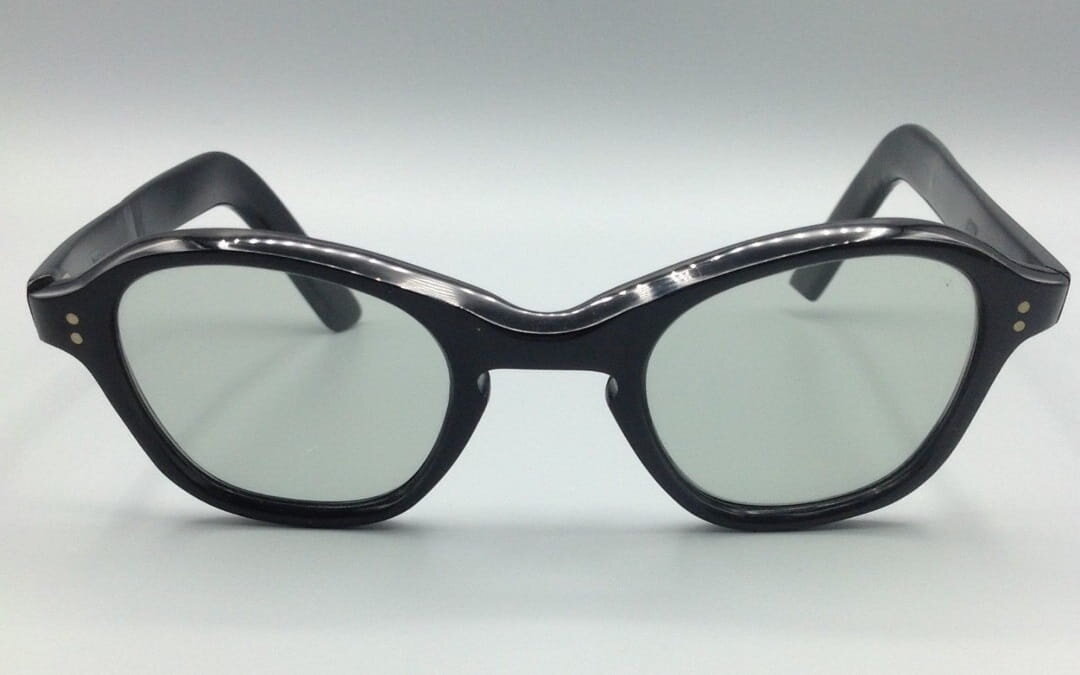
Eyeglass materials: Celluloid
© Formenti Sas di Formenti Gianpaolo & C.
30171 Via Piave 83 Venice Mestre(VE)
VAT IT02354560274